0


 Continue to Checkout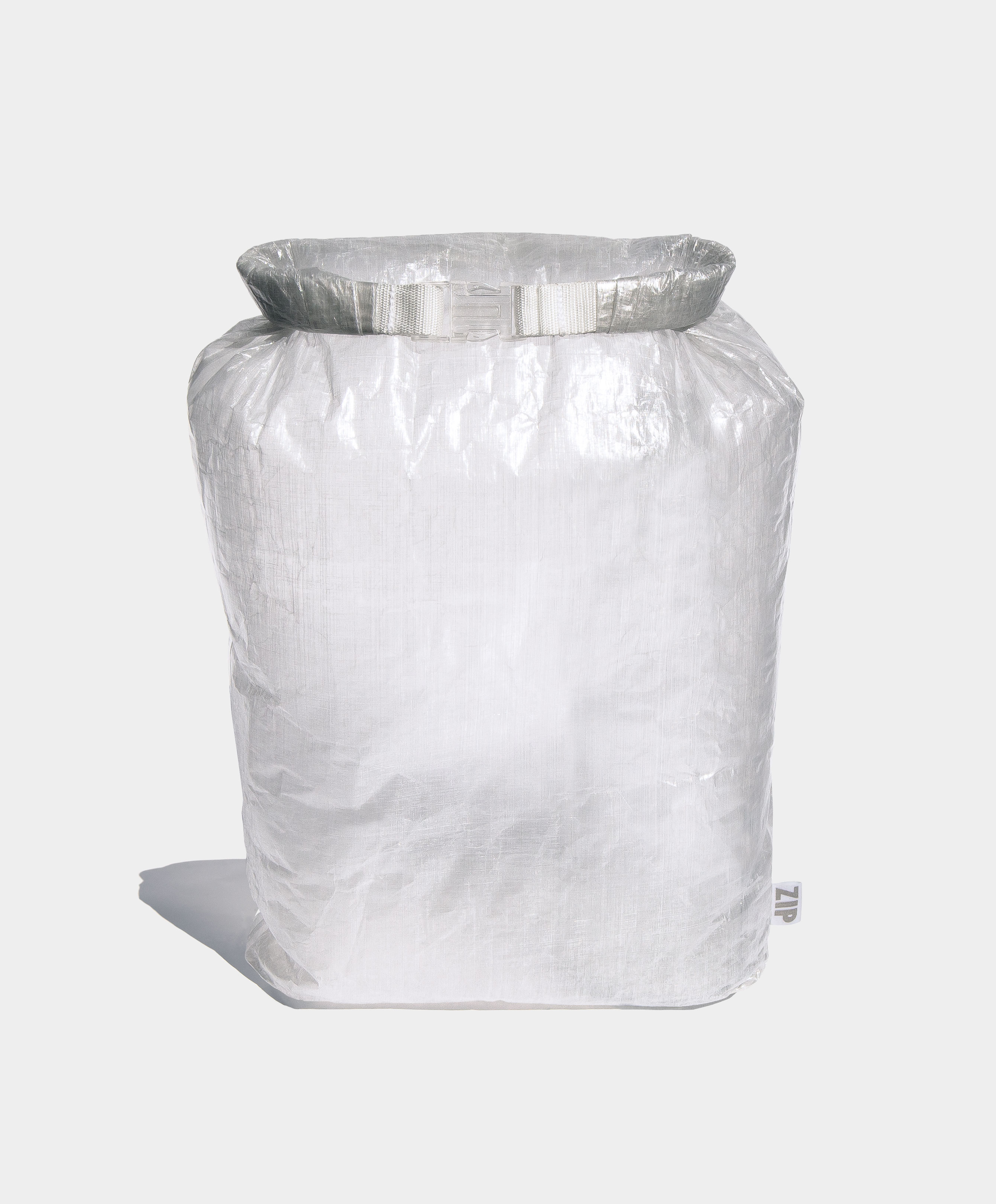
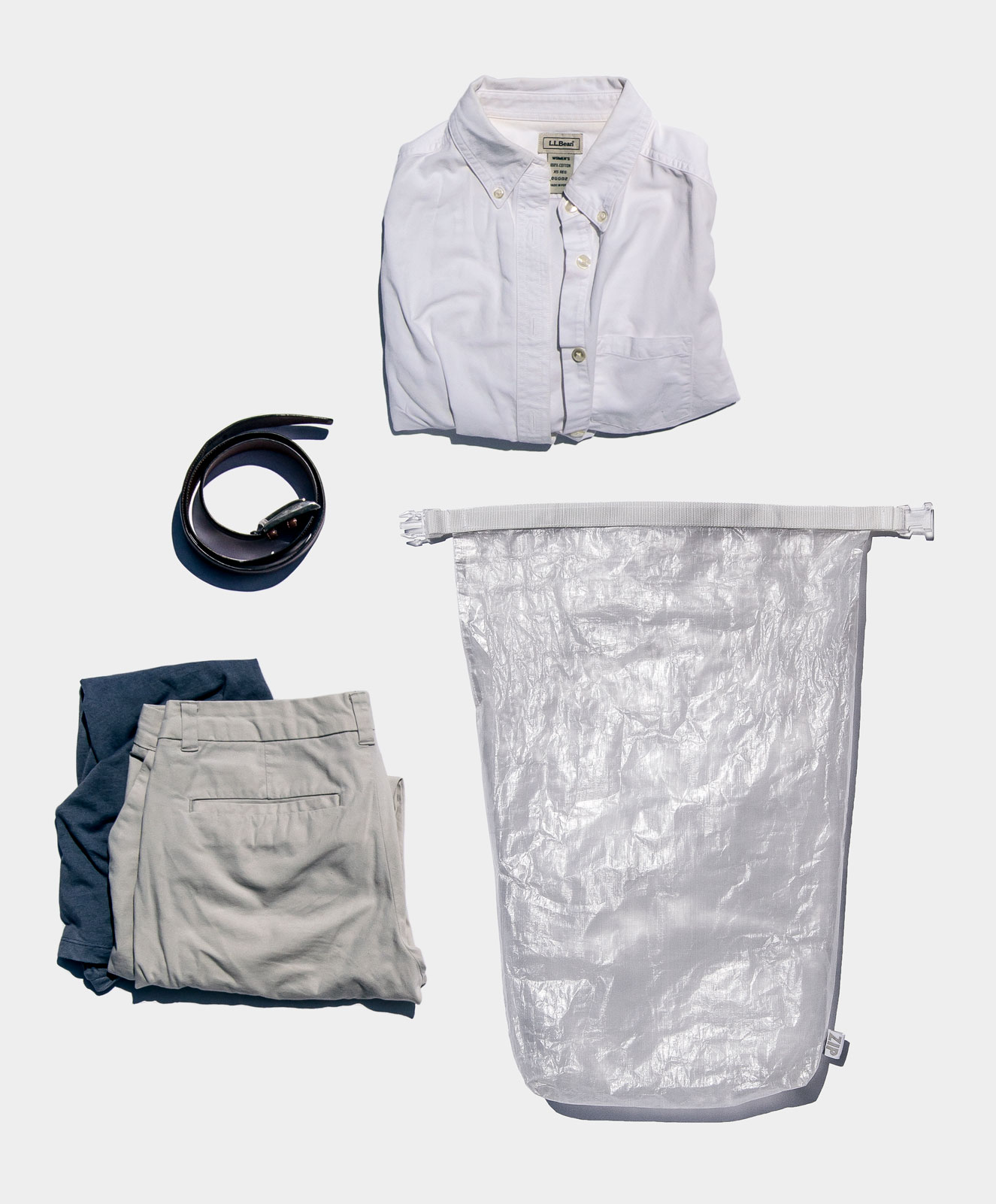
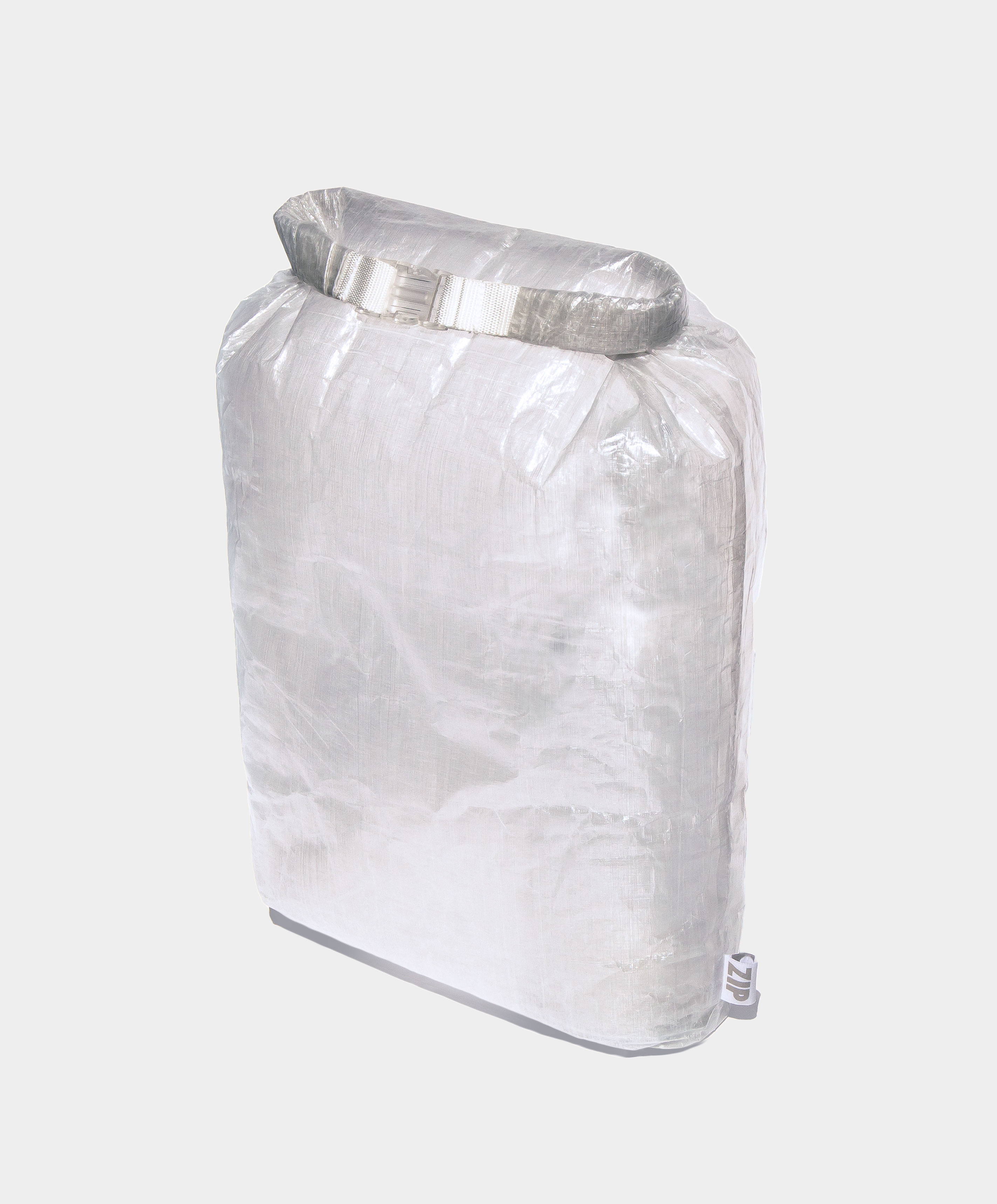
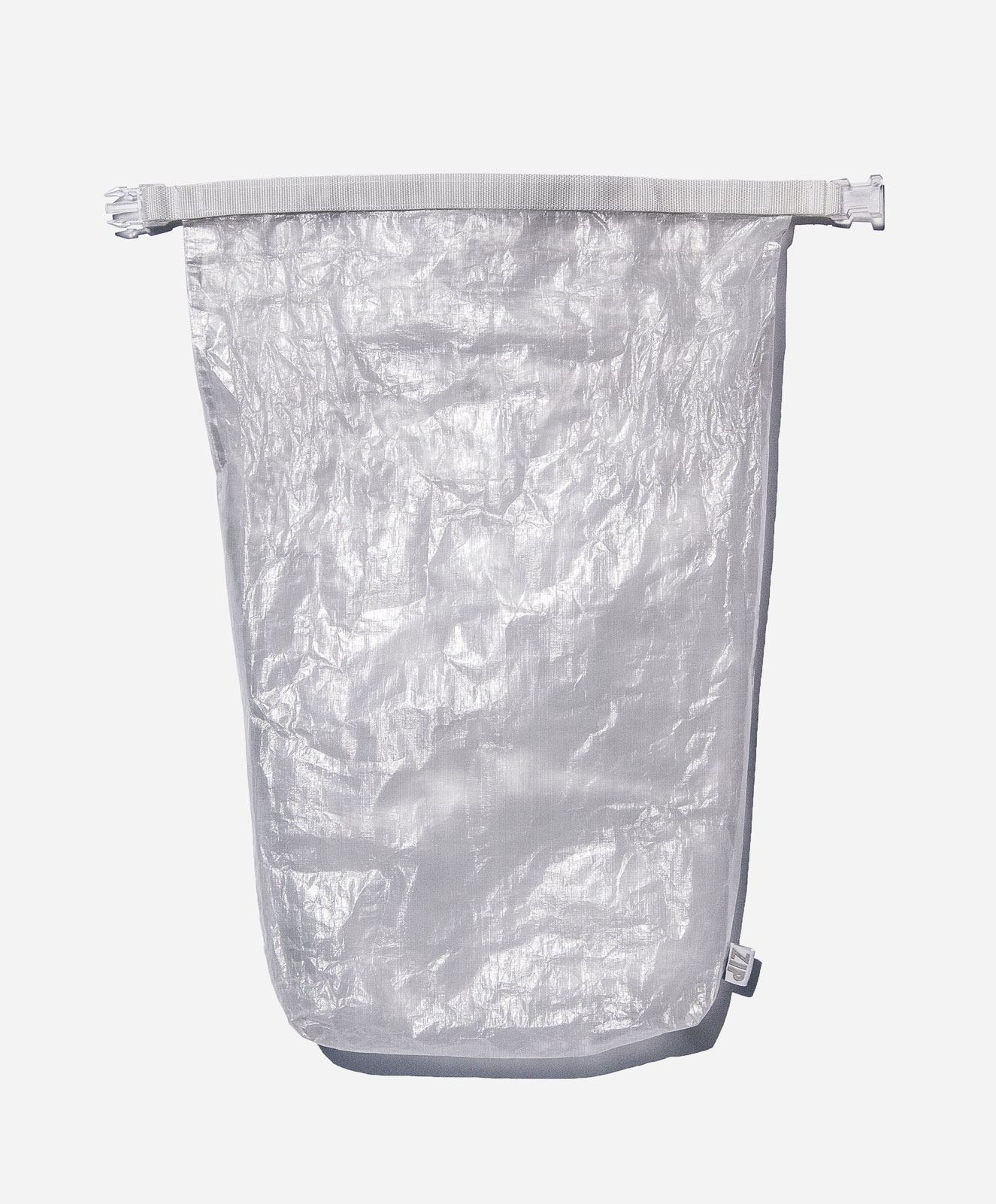

The Dry Bag is an ultralight, waterproof stuff sack designed for all-purpose run-commute organization. It is sized to hold a complete change of clothes, and also works well for containing muddy shoes, wet running shorts, or as an insurance layer around lunch containers. The rolltop closure seals water in or out and allows the bag to size up or down for efficient packing.
The bag is constructed out of Dyneema® ultra high molecular weight polyethylene. Dyneema® is stronger than steel but lighter than conventional fabric.
+ Fit
+ Product details
+ Shipping and Returns
The Dry Bag is an ultralight, waterproof stuff sack designed for all-purpose run-commute organization. It is sized to hold a complete change of clothes, and also works well for containing muddy shoes, wet running shorts, or as an insurance layer around lunch containers. The rolltop closure seals water in or out and allows the bag to size up or down for efficient packing.
The bag is constructed out of Dyneema® ultra high molecular weight polyethylene. Dyneema® is stronger than steel but lighter than conventional fabric.


The rolltop expands and contracts to accommodate whatever you need to carry and wraps the contents of the pack securely to eliminate bouncing.

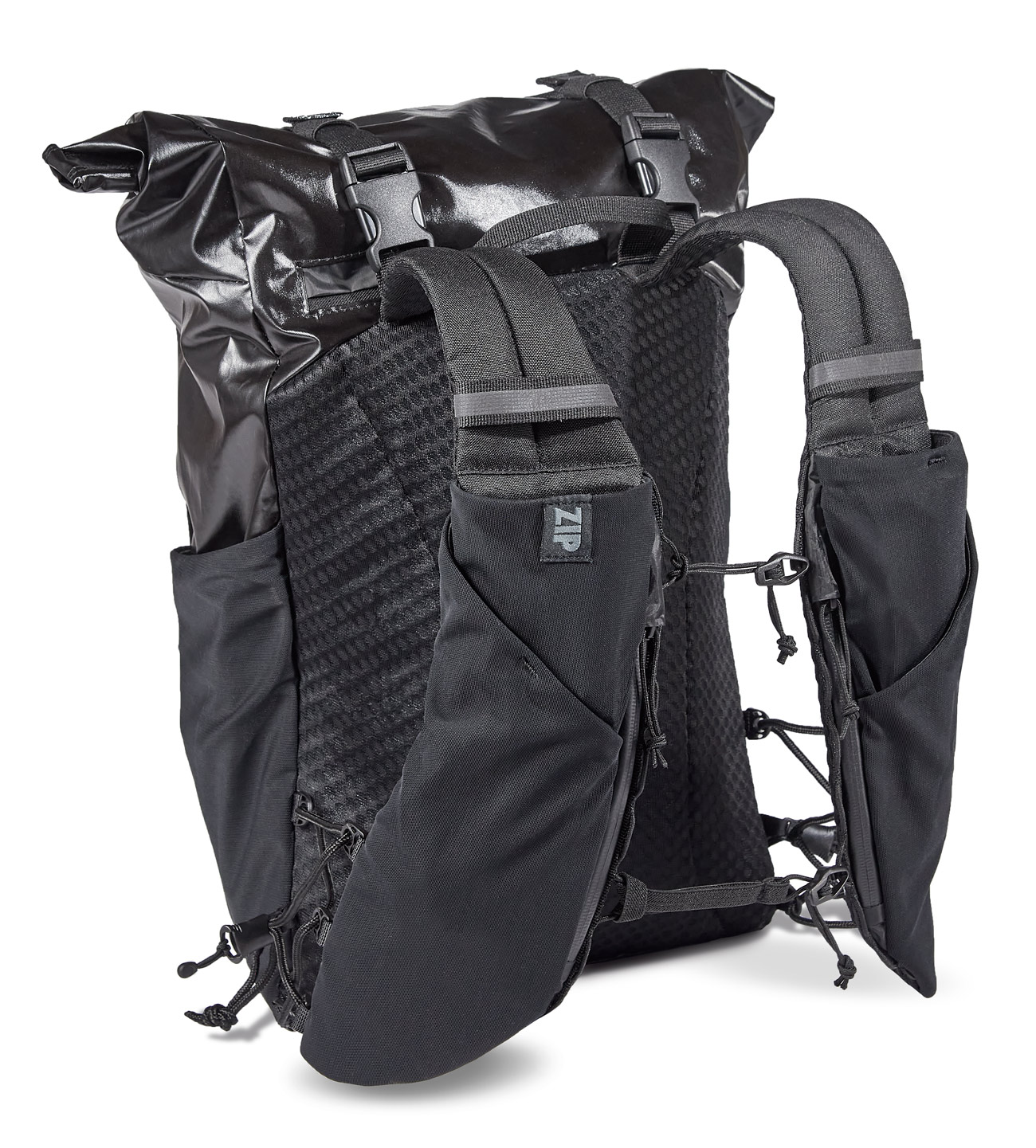

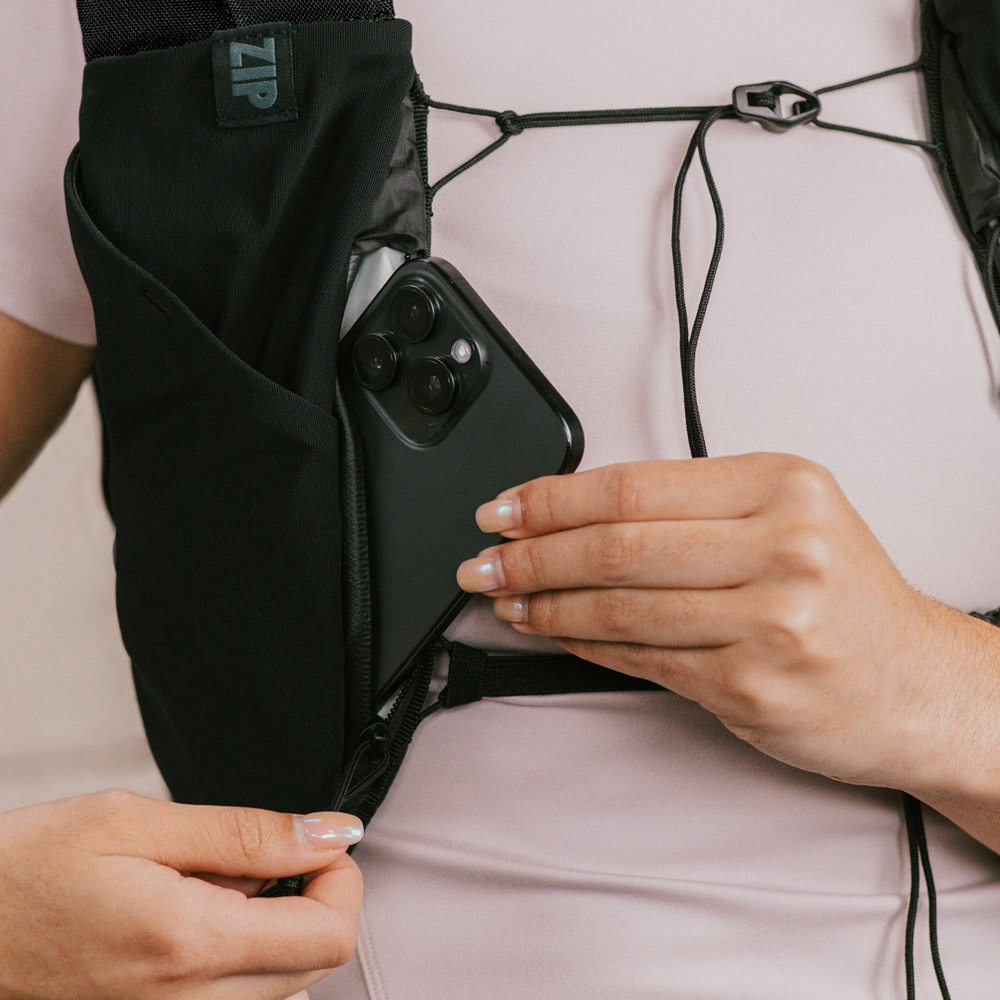
The vest includes two zipper pockets and two stretch pockets for on-the-run access to your phone, wallet, keys, and running accessories.
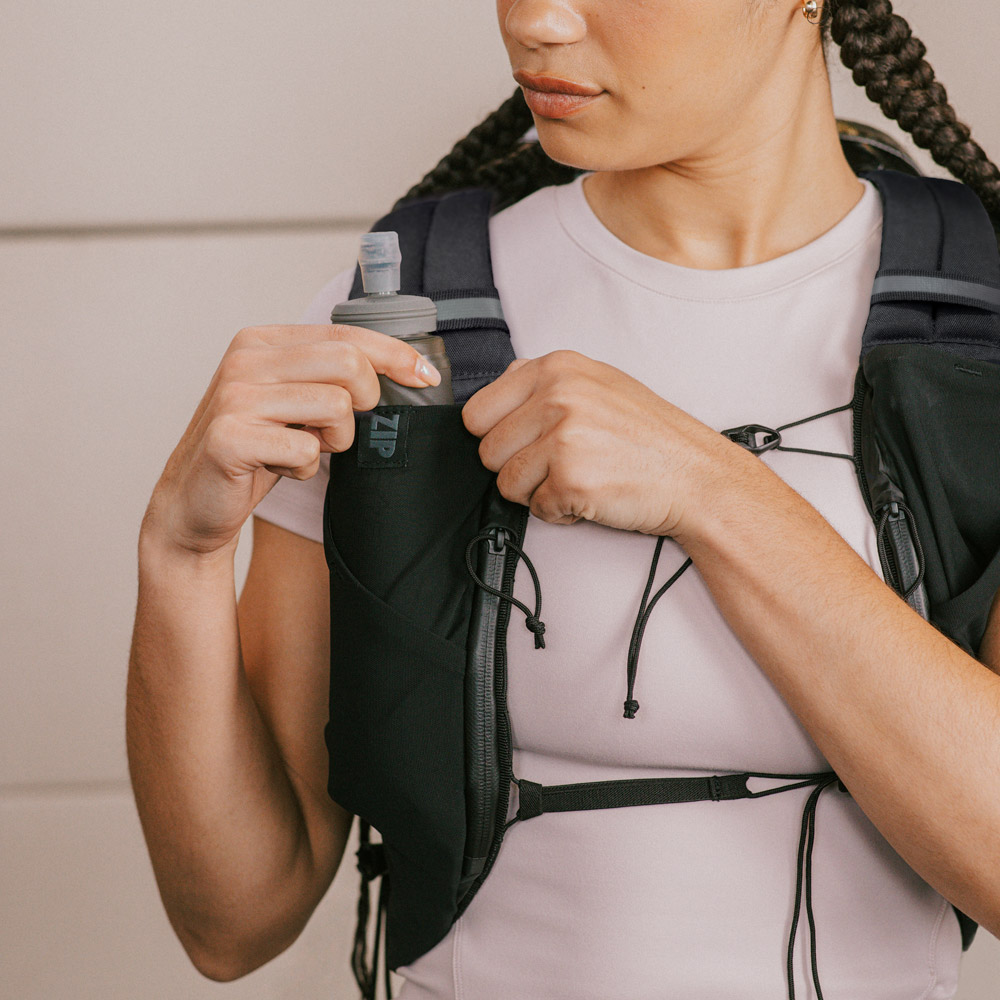
The shoulder straps can carry two 500-ml soft flasks (not included) in the front stretch pockets.
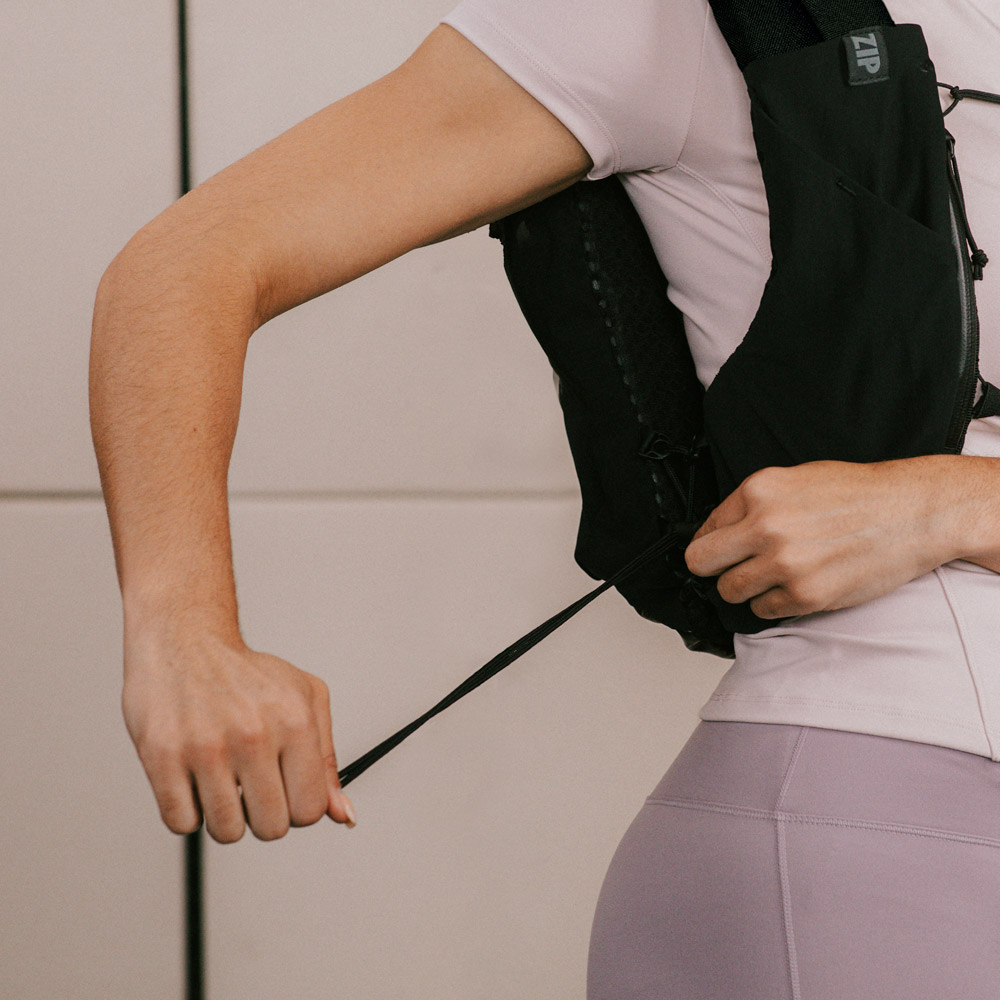
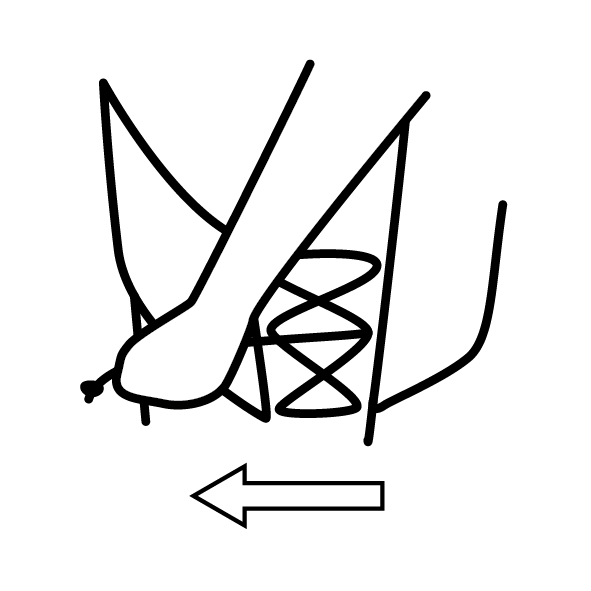
Dual side straps create a body-hugging, infinitely customizable fit that can be adjusted on the run. Tighten the side straps to lock the pack against your rib cage and reduce bounce.

The Commute Pack fits high on the back and adjusts like a traditional running vest.

Reflective webbing increases visibility in low-light conditions.

The main compartment and laptop sleeve are lined with waterproof, seam-taped 70-denier recycled nylon for complete protection against water ingress.
Two zipper pockets and two stretch pockets provide on-the-run access to your phone, wallet, keys, and running accessories.
The shoulder straps can carry two 500-ml soft flasks (not included) in the front stretch pockets.
The Commute Pack fits high on the back and adjusts like a running vest. Reinforced and padded shoulder straps support and stablize heavy loads.
Dual side straps create a body-hugging, infinitely customizable fit that can be adjusted on the run. Tighten the side straps to lock the pack against your rib cage and reduce bounce.
Reflective webbing increases visibility in low-light conditions.
The main compartment and laptop sleeve are lined with waterproof, seam-taped 70-denier recycled nylon for complete protection against water ingress.
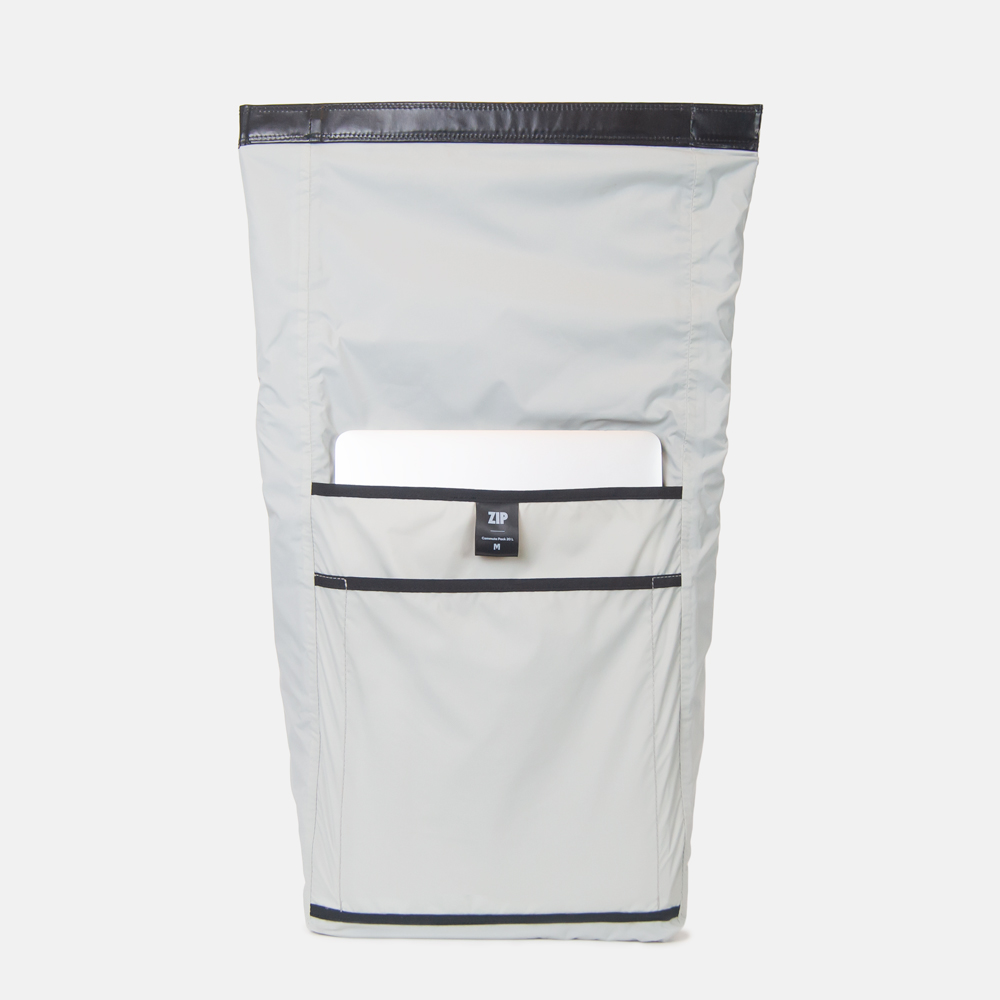
Fits 16-in laptops. A secondary sleeve fits tablets, charger cords, or notebooks.
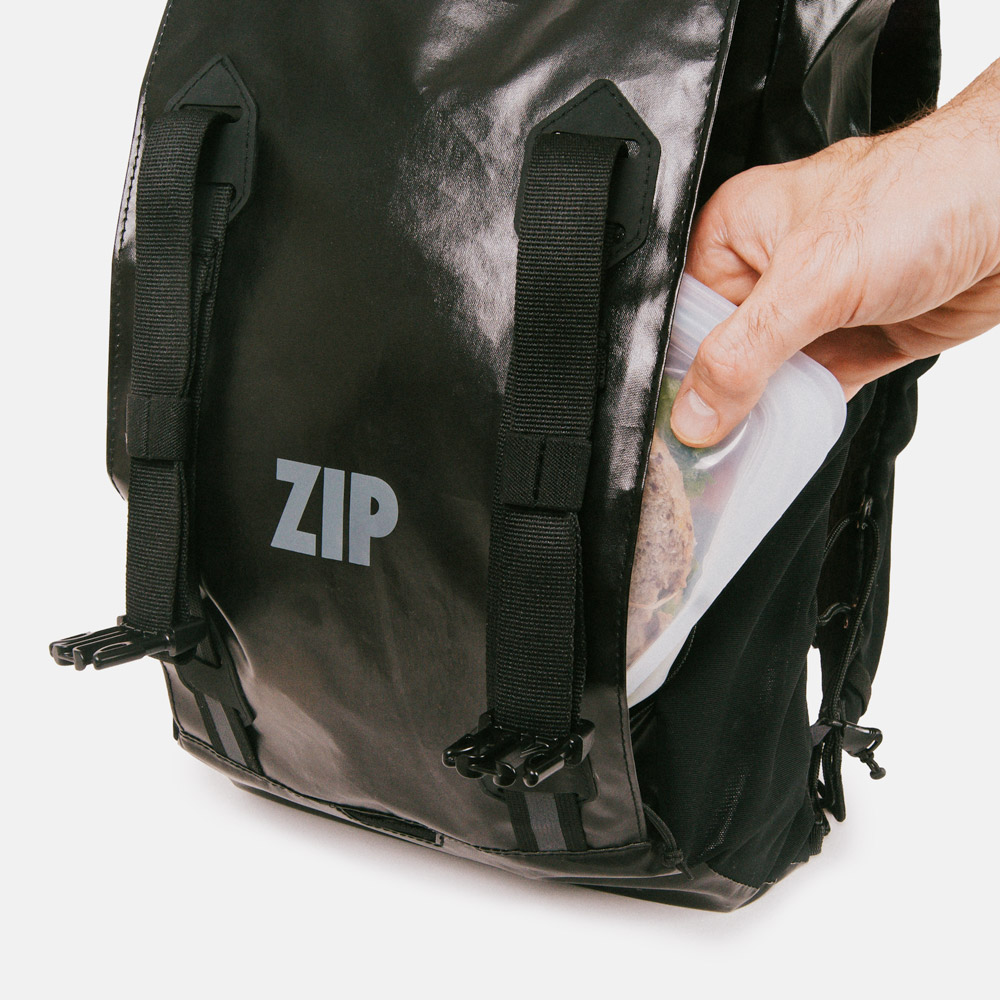
A secondary two liter zipper compartment allows wet clothes or lunch to organized separately and isolated from the main cargo area.
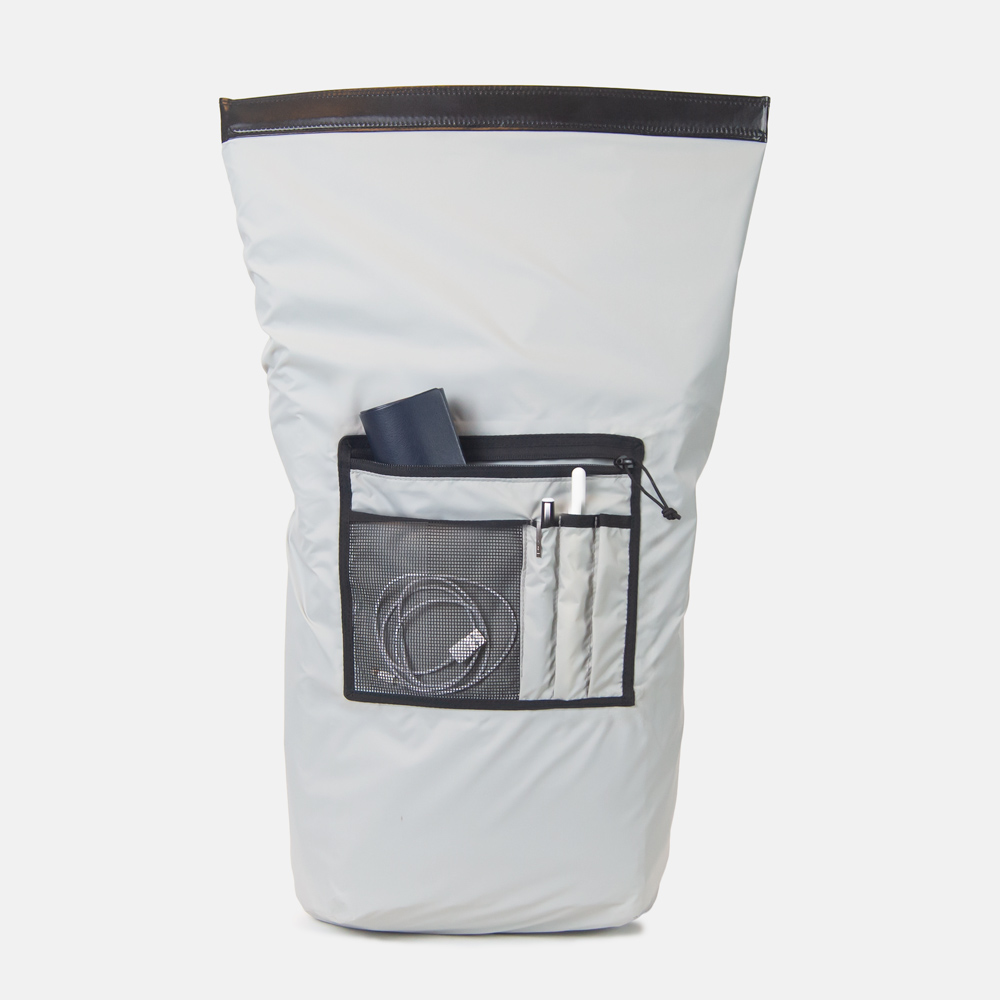
Small item storage:


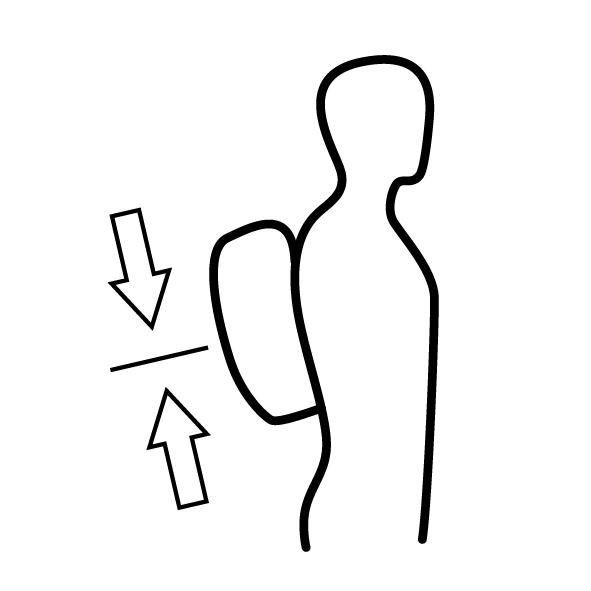
Load the pack with the gear you intend to run with, and put it on. Let the weight of the bag settle onto its balance point on your back—neither too high, nor too low.
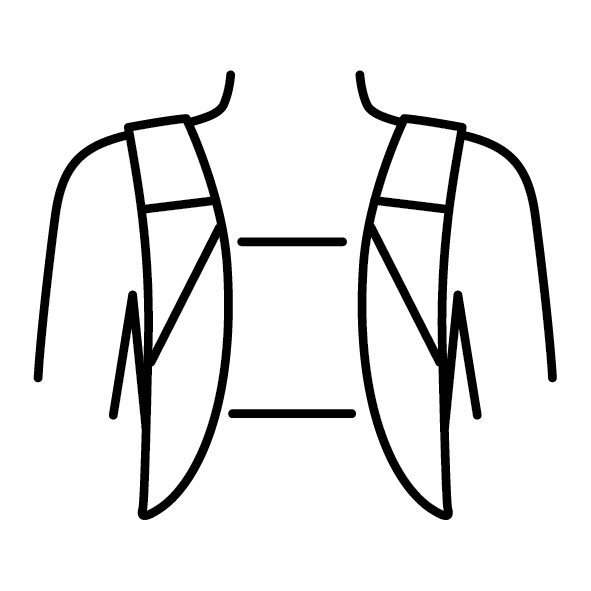
Tighten the side adjustment cords so that the shoulder straps are wide on your chest and very snug around your rib cage.
Attach the sternum straps. Snug the top strap, and then the bottom strap. Do not overtighten — most of tension should be on the shoulder straps, not the sternum straps.